The Future of Ai in Web Design: Trends to Watch in 2026
 18 Oct 2025
Table of Contents
- Introduction: The Dawn of Intelligent Web Design
- AI as Your Next-Gen Creative and Development Partner
- Crafting Hyper-Personalized and Immersive User Experiences
- Evolving Aesthetics and The Imperative of Ethical Design
- Strategizing for the AI-Powered Future: A Roadmap for Professionals
- Conclusion: Embracing the Intelligent Web of 2026
- FAQ
Introduction: The Dawn of Intelligent Web Design
When it comes to the constantly-changing universe of web design, artificial intelligence (AI) isn’t just a buzzword—it’s a game-changer.
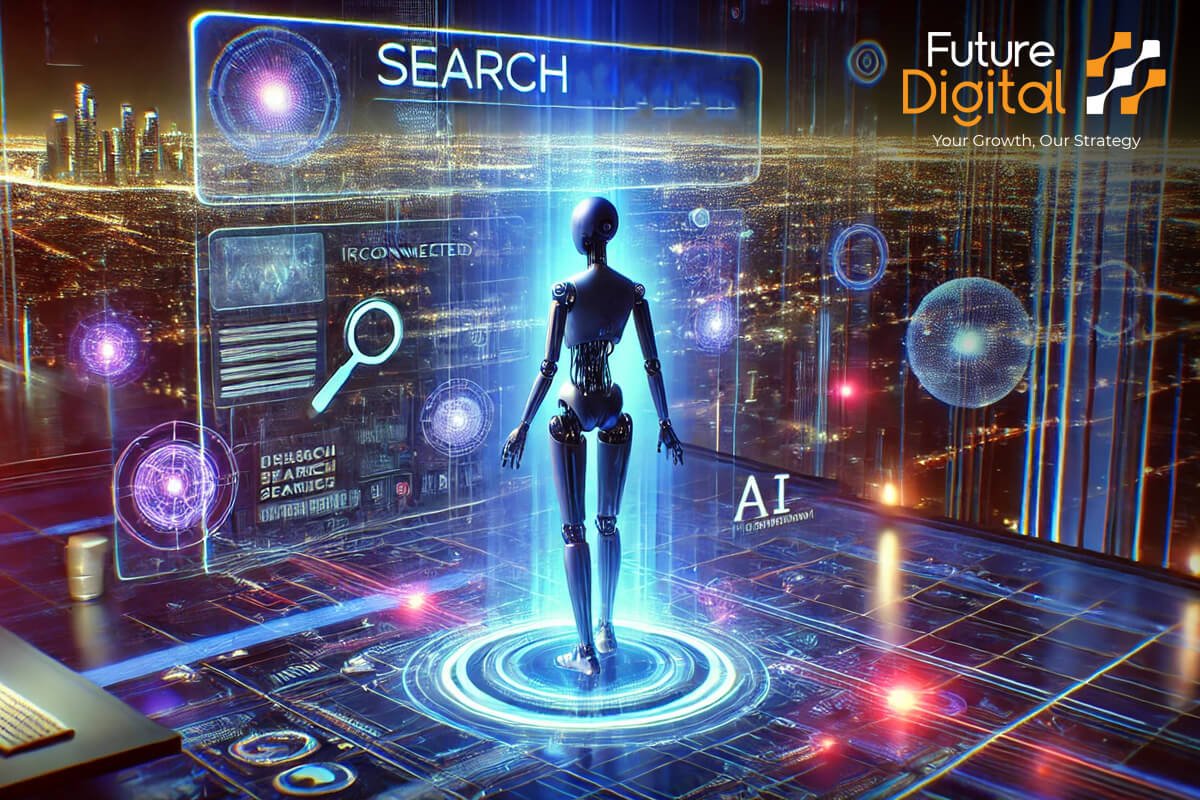
As we head into 2026, AI will disrupt how we design and interact with websites. AI web design tools, supported by machine learning and natural language processing, are evolving the ways in which designers think about UIs (user interface), content creation, and personalization. Thanks to AI, the web design industry is breaking new ground with simpler and intuitive, responsive, and immersive user experiences.
A Paradigm Shift: AI Beyond Automation in Web Design
The AI behind web design is no longer just a simple automation. Although helpful capabilities like automated testing and predictive SEO have been with us since the early days of web development, new tech has allowed designers to build tailored, dynamic experiences that also respond to user interaction. Powering this move is the emergence of AI agents that can understand user behavior in real time and dynamically change content, layout, and design elements to get users more engaged and convert.
Why 2026 is a Pivotal Year for AI in Web Design
It’s predicted that by 2026, AI will be so integrated into web applications that increasingly independent tools will make more and more design decisions. AI would cover the domain of design aesthetics to backend development, and it will affect your web project to a very large extent. For web designer agencies and web designing companies such as Future Digital, this point is a time to accept AI into your creative lives and go ahead with trends.
AI as Your Next-Gen Creative and Development Partner
AI is more than just a way to automate repetitive tasks — it's increasingly an active partner in the creative process. AI, from generative AI to neural networks, is enabling designers to redefine what is possible in interface and UX design.
Generative AI: From Concept to Code
Today, there are generative AI tools that can create visual assets such as layouts, color palettes, and even type based on a few input parameters. These AI models can create custom design concepts based on a large dataset to follow the current web design trends, provide personalization through AI, and allow each website to appropriately address the unique needs of its users. Accelerates the web development process, less prone to errors — As generative AI can write the code based on the design concept, the web project moves faster with fewer manual coding mistakes.
Intelligent Automation: Enhancing Efficiency and Workflow
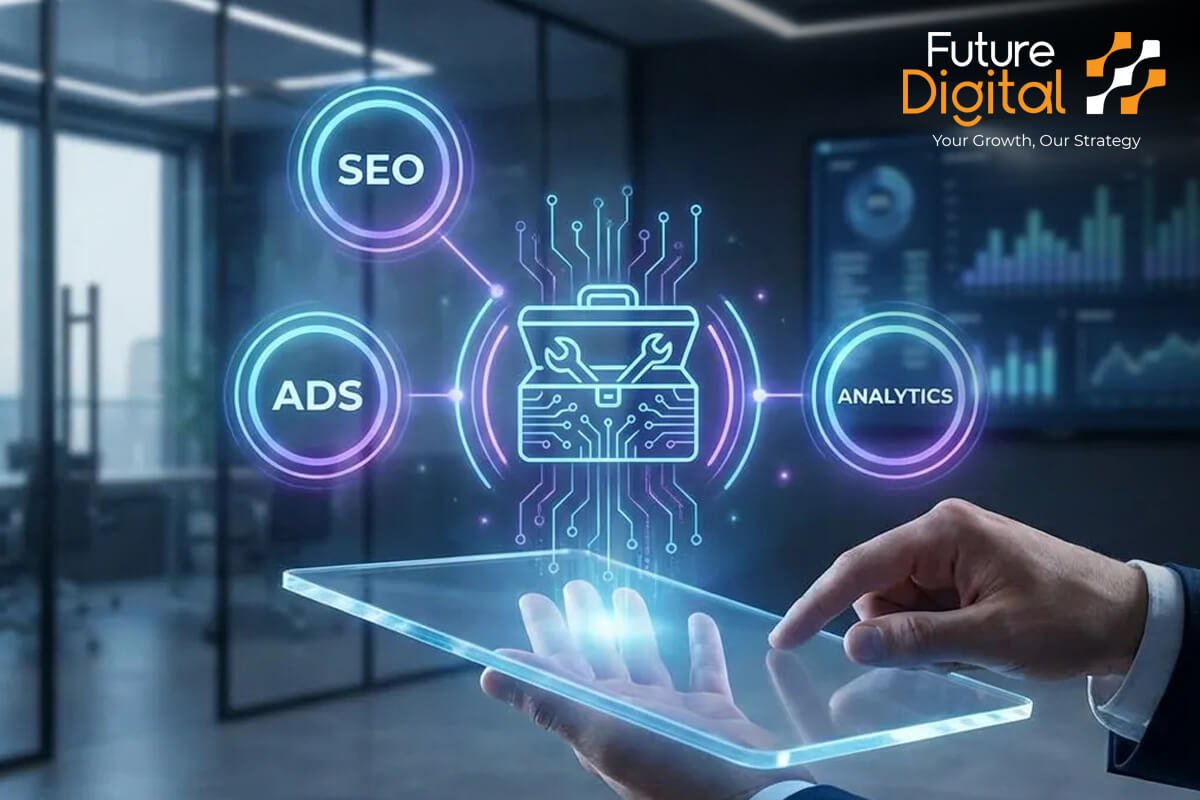
AI is making workflows more efficient, freeing up designers and developers to do more creative, strategic work. AI-based technologies can automatically generate CMS-powered content blocks, apply the principle of progressive enhancement, and verify with automatic testing to guarantee proper working of all devices. These platforms also facilitate the task of SEO and website optimization, enabling websites to be better designed for CRO as well as user experience.
Democratizing Design: AI Web Design Tools and Website Builders
Artificial intelligence and design: An interview with WIX's head of research. AI-generated website layouts and intelligent design services are a testament ot the web sector’s race to offer ‘upgraded' website-based experiences. These kinds of tools help companies, specifically startups and small businesses, get professional websites up quickly while still being able to take advantage of more advanced features like dark mode, parallax scrolling, and interactive animations. These are the trends that define the future of web design and enable it to be available even for a wide range of audiences.
Crafting Hyper-Personalized and Immersive User Experiences
As individuals demand more connected and relevant digital experiences, AI-powered personalization has become a significant focus in web design. In 2026, the web will provide truly individual experiences that respond to a person’s behaviors and desires as they happen.
Beyond Personalization: The Rise of Adaptive and Contextual Interfaces
Personalisation in web design has historically relied on data about the individual – such as location, browsing history, or previous interactions – but moving forward, AI will evolve this notion. Adaptive experiences will be able to anticipate user needs and adapt content and design on-the-fly.” This transition will enable websites to provide immersive encounters that feel more personalized based on the personality, behavior, and preferences of each visitor.
Conversational AI and Voice as Primary Interaction Methods
As smart speakers gain popularity and voice recognition gets smarter, conversational AI plays a greater role in web design. More and more websites are now introducing Voice enablers to offer a hands-free, intuitive navigation of their site experience. We may even see voice interfaces become the dominant way people interact with webpages by 2026, leading to a seamless and less exclusive, pretty good user experience for most users.
Immersive Storytelling with 3D Elements and Mixed Reality
The use of 3D elements, augmented reality, and mixed reality will be integral in creating immersive and interactive websites. As AI tools become more advanced, they will enable designers to incorporate these technologies into web applications seamlessly. Whether it’s interactive 3D visuals, scroll effects, or full immersive experiences like virtual product try-ons, AI will help craft experiences that captivate users.
Evolving Aesthetics and The Imperative of Ethical Design
But AI’s effect on aesthetics is more than the purely practical — it’s helping to develop entirely new design trends and creative solutions. But with AI increasingly controlling the design process, there are both ethical and practical questions to be answered.
AI-Influenced Visual Innovations and Creative Trends
The future of graphic design is being driven by AI tech, from biological forms to neon glows and collage graphics. At a time when the production of visual content is increasingly automated, designing for novelty, too, can be worth mixing in with our designs and aiming us towards trends that still catch our eyes. So, in 2026, it seems that the future bears the effect of the past – that we’ll be treated to visual interpretations where technology meets tradition to form digital landscapes that are progressive and familiar.
Ethical AI: Prioritizing Privacy, Bias, and Accessibility by Default
As AI becomes more and more integral to design interfaces, expect to scrutinize those AI algorithms for transparency – and ethics. Privacy policy compliance, avoidance of bias in training data, and making accessibility the default will be key. Responsible use of AI will help establish trust with users and provide a foundation for an inclusive digital world.
Sustainable Web Design: AI for a Lower Carbon Footprint
Sustainable design is also a driver for web design. With AI, designers can build more energy-efficient websites by making their code more efficient and lessening the load on servers. This will help to reduce the carbon footprint of websites, to make web design more eco-friendly, without sacrificing performance.
Strategizing for the AI-Powered Future: A Roadmap for Professionals
With AI fast becoming omnipresent in web design, creatives will have to adjust and adopt new tools and processes in order to keep up their competitive advantage.
Adapting Skillsets: What Designers and Developers Need to Know
And web designers and developers will need to be on top of the latest AI technologies, such as reinforcement learning, neural networks, and content generation tools. Learning these core skills will enable designers to incorporate AI effectively into their work, providing them with the capability to deliver on the increasing need for an AI-first approach.
Integrating AI Tools into Your Workflow: Practical Steps
To go forward with AI, design firms must embed AI tools into their workaday workflows. Whether through AI-powered automation for testing, SEO, or smouldering content, it is the addition of this AI layer to processes that will be underlying our increased productivity, creativity, and congruence.
Measuring Success and Navigating Challenges in AI Adoption
Although AI has a lot of advantages, there are some challenges, including the privacy of data, cost, and complexity for some kinds of AI models. Through setting clear objectives, leveraging user engagement metrics to measure success, and experimenting with new AI tools on a rolling basis, design agencies can remain at the forefront.
Conclusion: Embracing the Intelligent Web of 2026
And as we peer into 2026, AI will play an even bigger part in web design than it already does. And now, thanks to this new AI-powered reality, both users and designers are benefitting from its cutting-edge technology in personalized interactions and an aesthetically pleasing digital domain.
Reaffirming AI's Transformative Role in the Digital World
AI will always have a strong impact on the web design industry to change the way designers are able to develop smarter, personalized, and more efficient websites. As AI companies mature, their tech will increasingly define web design — stretching the limits of what’s achievable.
The Future is Collaborative: Human-Centric Design Powered by AI
The secret to a successful AI-powered future is that of collaboration. Designers, developers, and AI should work together for the development of human-centered design, considering user engagement and ethics. AI will be a collaborator that augments human creativity, not a substitute for it.
A Call to Action for Proactive Learning and Strategic Adoption
For web design agencies such as Future Digital, the future is promising. By adopting AI early and upskilling on how to blend it in with your existing workflows, agencies can become industry leaders in the future of AI-designed web projects. Being proactive rather than reactive to learn and adapt will make the difference in staying ahead of what’s coming.
FAQs
Common Questions About AI in Web Design
What is the current role of AI in web design?
With the introduction of AI, the entire landscape of web design is slowly but surely being transformed by automation, workflow improvement, and even an enhanced ability to create user experiences that are both personalized and dynamic. AI-enabled tools can be used for anything from content creation and SEO recommendations to automated testing and predictive analytics.
How has AI changed web design practices over the past few years?
In the last couple of years, web design is no longer about making things manually -AI has made sure that people use advanced ML models and algorithms to create websites. This created quicker design iterations, more intelligent content management, and personalized web experiences. Artificial intelligence now plays an essential role in web development, driving everything from dynamic layouts to user customization.
What are the key AI trends shaping the future of web design in 2026?
Three hot AI trends for 2026 are the implementation of AI website design tools, generative AI, and tailor-made experiences. Immersive narratives via 3D elements and augmented reality will also play a key role in web design. Adaptive interfaces powered by AI, for instance, will enable websites to adjust the presentation of content according to an individual user’s preferences in real time.
How will artificial intelligence transform web design by 2026?
Web design will no longer be the same with AI shaping it in a variety of ways, from faster and efficient workflows to personalized user experiences to immersive design by 2026. It will also be the AI that lets designers play around with emerging creative trends in website design, at the same time making sure they are accessible, responsible, and user-friendly.
How can AI improve user experience in web design for 2026?
Personalization in real-time: The AI will massively improve user experience by giving each individual what they need or want, giving you a website that behaves with and to your users. Chat-based AI, voice-recognition, and content-aware interfaces will improve the way users interact with websites by making the experience more intuitive and interactive.
How will AI-driven personalization influence web design trends in 2026?
AI-powered personalization will define the future of web design by 2026. Websites will be personalized based on users’ data and behavioral patterns through predictive analytics. This will not only maximize the user visits but also increase the conversion rates by showing them more relevant content and offers, chosen according to their needs.
Which AI technologies are expected to dominate web design in 2026?
In 2026, Generative AI, neural networks, and reinforcement learning will rule web design. These technologies will facilitate automation and improve user experience, yet also feature AI-driven personalization that adjusts to every visitor instantly.
What are the main challenges of integrating AI into web design?
Challenges of incorporating AI into web design. There are obstacles to overcoming, the most prevalent among them being concerns over data privacy, complexity in some AI models, and cost. Moreover, fair training of AI models is key in order not to fall into ethical problems.
What ethical considerations should be addressed when using AI in web design?
In the application of AI for web design, ethical issues such as privacy concerns should be addressed firsthand. Let’s reflect on five principles that we should prioritize as much when architecting AI algorithms: Transparency, Inclusive, and Designed to Protect User Data while Promoting Fairness in design:
Why is AI important for the future of web design?
AI is crucial for the future of web design because it enhances creativity, streamlines workflows, web designBecause it's creative, workflow-optimizing, user experience customizing and up y-other-buzzwords-building Artificial Intelligence. As the digital world gets complex, AI will help designers adapt to the changing demands of users and to stay one step ahead in a highly digital world.